



























Introduction
In the textile and leather industries, product quality is of utmost importance. Consumers expect textiles and leather products to be durable, resistant to wear and tear, and free from excessive pilling. To meet these demands, manufacturers rely on various testing methods and equipment. One such crucial instrument is the Martindale Abrasion and Pilling Tester. This article explores the wide – ranging applications of the Martindale Abrasion and Pilling Tester in the textile and leather industries, highlighting its significance in ensuring product quality and meeting industry standards.
Working Principle of the Martindale Abrasion Tester
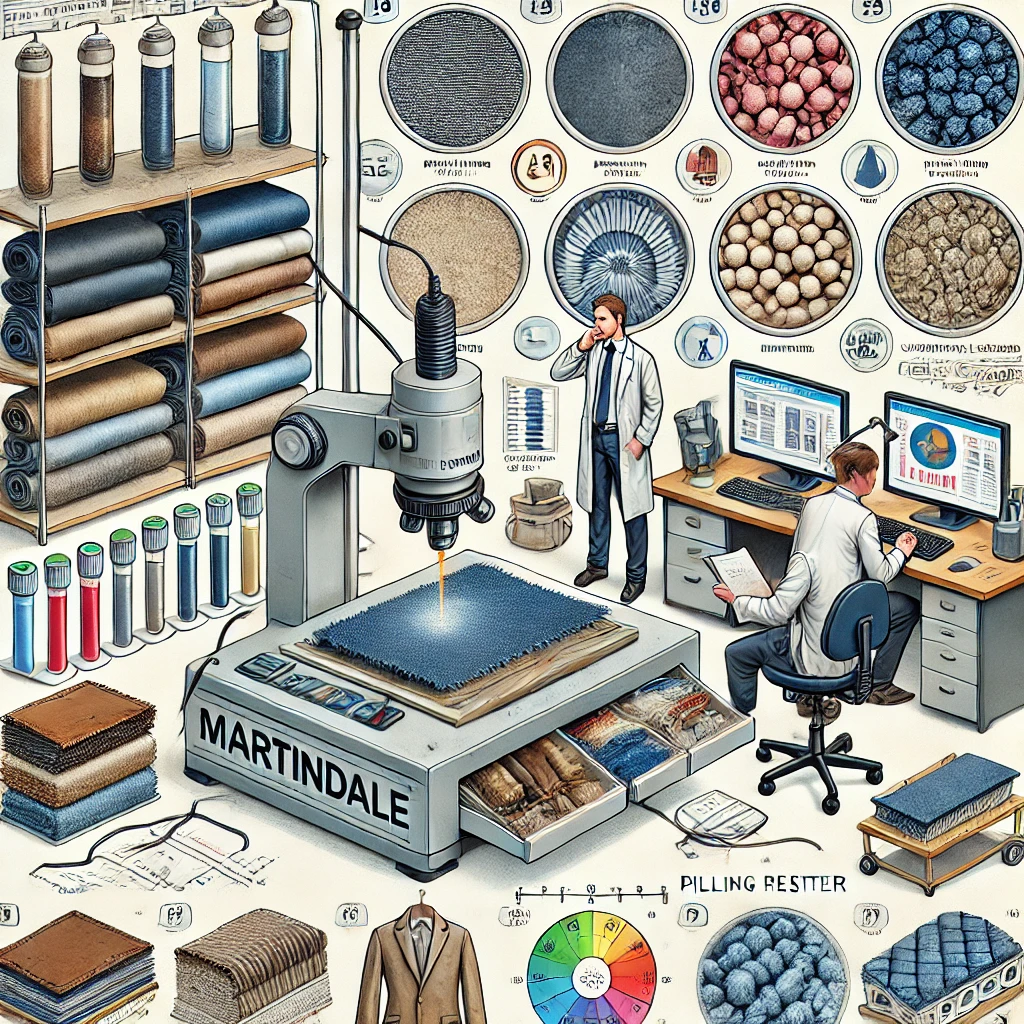
The Martindale Abrasion Tester operates based on a specific principle to simulate real – world abrasion conditions. The test specimen, which can be a textile fabric or a piece of leather, is mounted on a circular platform. A rubbing head, covered with a standard abrasive material, moves in a circular path over the specimen. The movement is reciprocating, with the rubbing head applying a certain pressure on the specimen during each cycle.
The number of cycles is pre – determined based on the type of product and the relevant testing standards. As the rubbing head moves, it gradually abrades the surface of the specimen. The abrasion can cause various changes in the material, such as loss of surface fibers, color fading, and in the case of textiles, the formation of pills. By controlling parameters like the pressure applied, the nature of the abrasive material, and the number of cycles, manufacturers can accurately assess how a particular material will perform under different levels of wear and tear.
Applications in the Textile Industry
Assessing Abrasion Resistance of Textile Fabrics
One of the primary applications of the Martindale Abrasion Tester in the textile industry is to evaluate the abrasion resistance of fabrics. Different types of textiles are used for various purposes, from clothing to home furnishings. For example, in the case of workwear, the fabric needs to be highly resistant to abrasion as it is subjected to rough handling and constant friction during use.
By conducting the Martindale Test on textile samples, manufacturers can determine how many cycles of abrasion the fabric can withstand before significant damage occurs. This information is crucial for product design and material selection. If a fabric fails to meet the required abrasion resistance standards during the Martindale Test, the manufacturer can either modify the manufacturing process, such as changing the fiber blend or the weaving technique, or select a different raw material.
Measuring Pilling Resistance
Pilling is a common problem in many textile fabrics, especially those made from natural or synthetic fibers. Pills are small balls of entangled fibers that form on the surface of the fabric due to abrasion and friction during use and laundering. The Martindale Abrasion and Pilling Tester is an excellent tool for measuring the pilling resistance of textiles.
During the test, as the fabric is abraded, the formation of pills is observed and evaluated. Textiles with high pilling resistance will show fewer pills even after a large number of abrasion cycles. This is particularly important for products like sweaters, scarves, and upholstery fabrics. Consumers are less likely to purchase products that pill easily, as it affects the appearance and durability of the item. By using the Martindale Test to measure pilling resistance, textile manufacturers can develop products that are more appealing and long – lasting.
Quality Control in Textile Manufacturing
The Martindale Abrasion Tester plays a vital role in quality control throughout the textile manufacturing process. From the raw material stage to the finished product, regular testing using the Martindale device helps ensure that the quality of the textiles meets the desired standards.
At the raw material stage, fabric suppliers can test different batches of fibers or yarns to ensure consistency in abrasion and pilling resistance. This helps in maintaining a stable supply of high – quality materials for textile manufacturers. During the manufacturing process, in – line testing can be carried out at various stages, such as after weaving or knitting and after finishing treatments. If any deviation from the standard is detected, corrective actions can be taken immediately, reducing waste and improving overall product quality.
Compliance with Textile Industry Standards
The textile industry has a wide range of national and international standards that products must comply with. The Martindale Test is often specified in these standards as a method for evaluating abrasion and pilling resistance. For example, standards set by organizations like the American Association of Textile Chemists and Colorists (AATCC) and the International Organization for Standardization (ISO) include Martindale – based tests.
Manufacturers who want to sell their products in different markets around the world need to ensure that their textiles meet these standards. By using the Martindale Abrasion and Pilling Tester to conduct tests in accordance with the relevant standards, textile companies can obtain the necessary certifications and gain access to a broader customer base. This not only helps in meeting regulatory requirements but also builds consumer trust in the brand.
Applications in the Leather Industry
Evaluating Abrasion Resistance of Leather
Leather is a highly valued material in the fashion, furniture, and automotive industries. It is known for its durability, but different types of leather have varying levels of abrasion resistance. The Martindale Abrasion Tester is used to assess how well leather products will withstand daily wear and tear.
For leather used in footwear, handbags, and furniture upholstery, abrasion resistance is a key factor. During the Martindale Test, the leather sample is subjected to simulated wear conditions. The results of the test can help leather manufacturers determine the quality of the leather and its suitability for different applications. If a particular type of leather shows poor abrasion resistance, steps can be taken to improve it, such as through better tanning processes or the application of protective coatings.
Assessing Color Fastness under Abrasion
In addition to abrasion resistance, the Martindale Abrasion Tester can also be used to evaluate the color fastness of leather under abrasion. Leather products often come in a variety of colors, and it is important that the color does not fade easily during use.
During the test, as the leather is abraded, the change in color is observed. This is especially important for leather used in automotive interiors, where the leather is constantly in contact with passengers’ clothing and other objects. By using the Martindale Test to assess color fastness under abrasion, leather manufacturers can ensure that their products maintain their aesthetic appeal over time.
Quality Assurance in Leather Manufacturing
Similar to the textile industry, quality assurance is crucial in the leather manufacturing process. The Martindale Abrasion Tester is used at various stages of leather production to ensure that the final product meets the required quality standards.
At the tannery stage, different batches of leather can be tested to ensure consistency in abrasion resistance and color fastness. During the finishing process, the effectiveness of treatments such as dyeing, polishing, and waterproofing can be evaluated using the Martindale Test. If any issues are detected, adjustments can be made to the manufacturing process to improve the quality of the leather.
Meeting Leather Industry Standards
The leather industry also has its own set of standards and regulations. Many of these standards require the use of the Martindale Test to evaluate the performance of leather products. For example, standards for leather used in luxury goods often specify strict requirements for abrasion resistance and color fastness.
By using the Martindale Abrasion and Pilling Tester to meet these standards, leather manufacturers can produce high – quality products that are competitive in the global market. Compliance with industry standards not only ensures the satisfaction of end – consumers but also helps in maintaining the reputation of the leather industry as a whole.
Comparison with Other Testing Methods
While the Martindale Abrasion and Pilling Tester is widely used in the textile and leather industries, it is important to note that there are other testing methods available as well. For example, in the textile industry, the Taber Abraser is another commonly used device for abrasion testing. However, the Martindale Tester has several advantages.
The Martindale Test provides a more comprehensive evaluation of both abrasion and pilling resistance in a single test setup. It also offers better simulation of real – world wear conditions, especially in terms of the reciprocating circular motion of the rubbing head. In the leather industry, some traditional methods of evaluating leather quality rely on visual inspection and manual bending tests. The Martindale Tester, on the other hand, provides a more objective and quantitative assessment of leather properties.
Future Trends and Developments
As technology continues to advance, the Martindale Abrasion and Pilling Tester is also likely to see further improvements. One area of development could be in the integration of advanced sensors to provide more detailed data during the testing process. For example, sensors could be used to measure the temperature, humidity, and pressure at the point of abrasion, providing a more accurate understanding of how these factors affect the performance of textiles and leather.
Another trend could be the development of more environmentally friendly testing methods. The textile and leather industries are increasingly focused on sustainability, and there is a growing need for testing equipment that uses less energy and produces less waste. Future versions of the Martindale Tester may incorporate features to reduce the environmental impact of the testing process.
In addition, with the rise of new materials in the textile and leather industries, such as smart textiles and synthetic leather alternatives, the Martindale Tester will need to be adapted to test the unique properties of these materials. This may involve developing new test protocols and abrasive materials to accurately evaluate the performance of these innovative products.
Conclusion
The Martindale Abrasion and Pilling Tester is an indispensable tool in the textile and leather industries. Its applications in assessing abrasion resistance, pilling resistance, color fastness, and quality control are essential for ensuring the production of high – quality products. By complying with industry standards and providing valuable data for product development and improvement, the Martindale Test helps manufacturers meet the demands of consumers and stay competitive in the global market. As technology evolves, the Martindale Tester is likely to continue to play a crucial role in driving innovation and quality in the textile and leather sectors.
For more information on textile testing methods/standards
or Textile Testing Machine-TESTEX textile testing machines, contact us:
What’s App: +86 180 2511 4082
Tel: +86 769 2329 4842
Fax: +86 769 2329 4860
Email: sales@chiuvention.com sales@tes.hk